

In the relentless world of modern manufacturing, downtime is a profit killer. Machines must move faster. Products must be cleaner, stronger, and more sustainable. The question isn’t just how to keep up — it’s how to get ahead.
That’s where industrial textiles step in, not as background players, but as quiet revolutionaries.
Why the Fabric Behind the Machine Matters
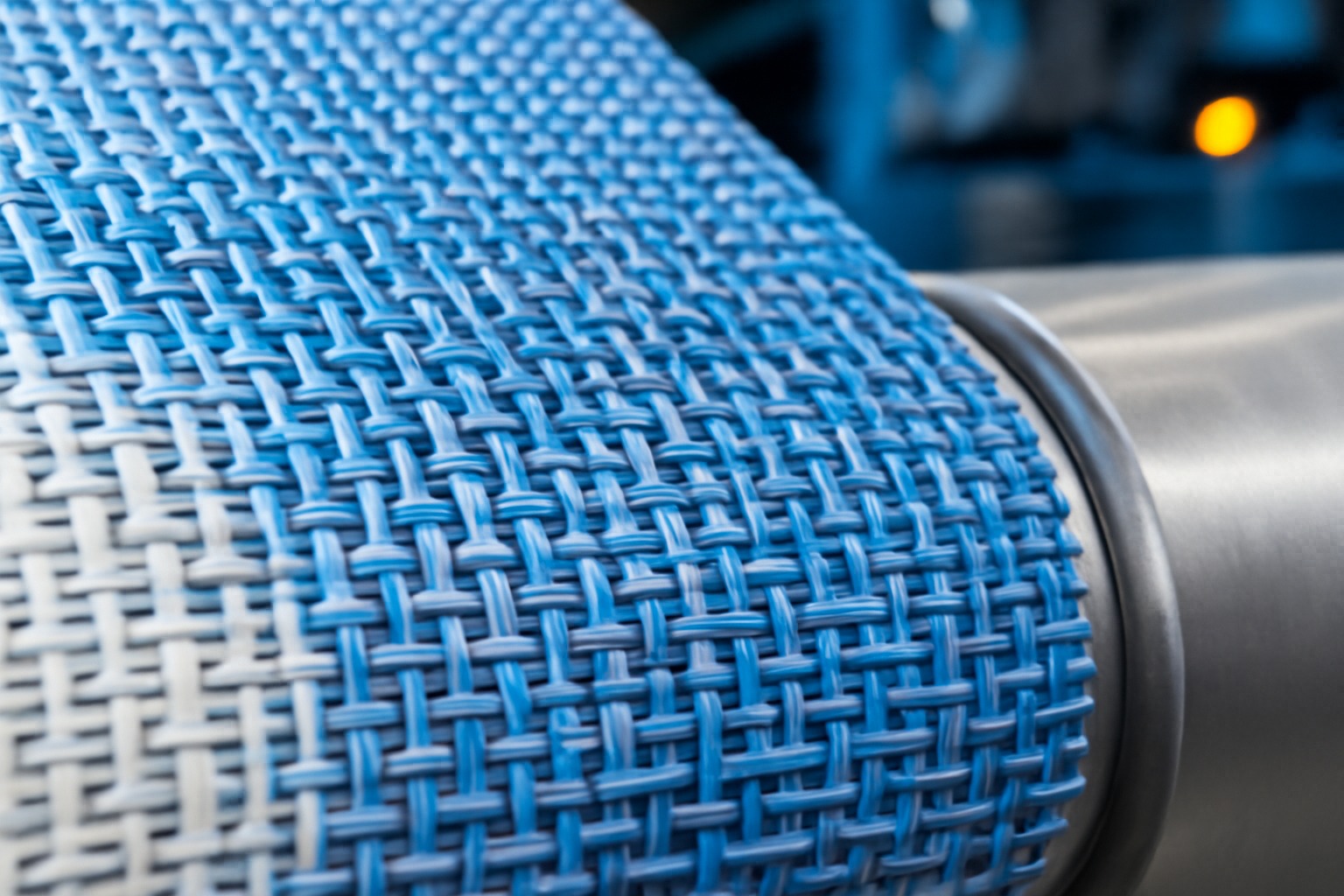
Every roll of paper, every meter of nonwoven material, every chemical filter — they all depend on unseen but essential champions: press felts, dryer fabrics, and forming fabrics. These materials aren’t just woven polymer; they’re precision-engineered, load-tested, moisture-balanced tools of efficiency.
The latest generation of fabrics isn’t made — it’s engineered.
Take spiral dryer belts, for example. Designed with multi-layer architecture, they optimize drying time while slashing energy use. The result? Cleaner output. Less waste. Leaner operations.
Case Study: Performance Woven into Every Thread
A mid-sized packaging plant in Eastern Europe recently overhauled its paper line with cutting-edge forming fabrics — SSB (Sheet Support Binder) structures engineered for uniform drainage and top-tier runnability. The change? A 17% increase in production speed and 23% fewer sheet breaks. That’s not evolution — it’s transformation.
Smart Fabrics for Smarter Factories
Innovation in industrial textiles isn’t just about durability. It’s about intelligence. Modern fabrics offer:
Dimensional Stability for zero deformation under pressure
Moisture-Control Zones for even evaporation
Advanced Weave Geometries tailored to machine type and product demand
And with custom design services, mills no longer have to choose between standard options. You get performance tailored to your machine’s quirks — not the other way around.
Looking Ahead: Sustainability in Every Stitch
Fabric manufacturers are now facing the next great challenge: creating high-performance textiles with a lower environmental footprint. That means recyclable polymers, extended lifecycle designs, and smarter coatings that require fewer chemicals downstream.
The mission? To reduce not only downtime, but impact.
Conclusion: The Textile Revolution Is Industrial
This isn’t fashion. This is function redefined. For mills and manufacturers ready to move past generic, off-the-shelf solutions, engineered industrial fabrics are the competitive edge.
If your machines are the engine — your fabrics are the software.

No comment